


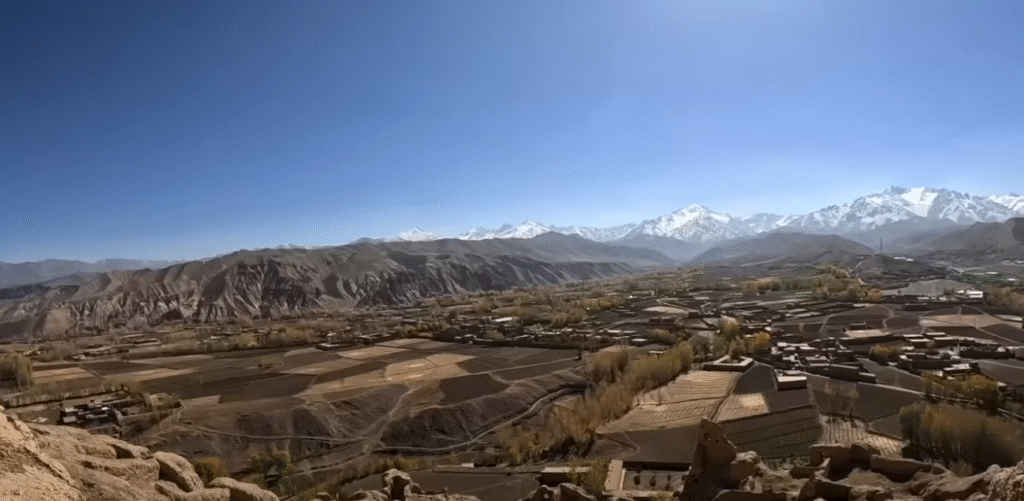
In recent years, Afghanistan has witnessed a surprising surge in tourism, largely fueled by social media influencers showcasing the country’s landscapes and culture. This trend has sparked debates about the ethics and implications of promoting travel to a nation under Taliban rule.
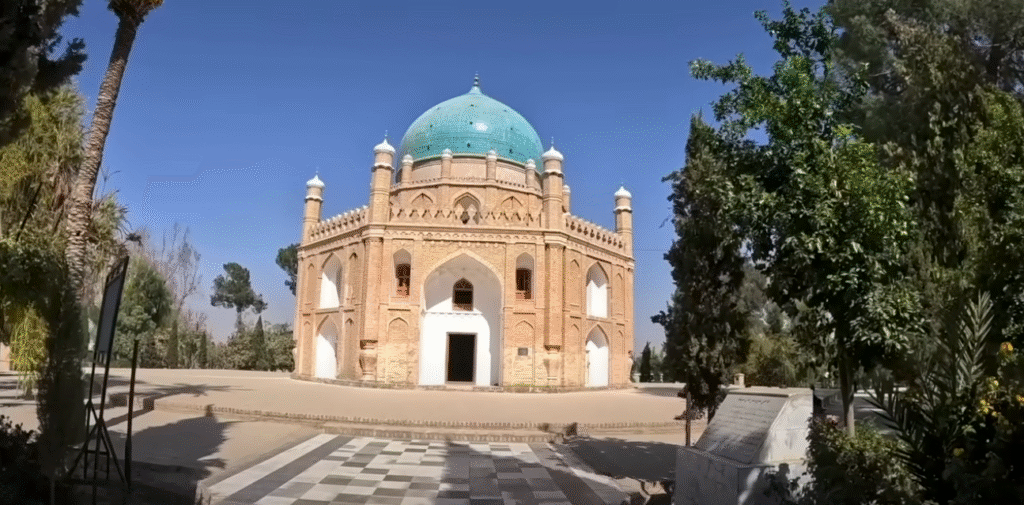

The Rise of Tourism in Afghanistan
Despite ongoing security concerns, Afghanistan has seen a notable increase in tourist arrivals. According to reports, over 7,000 foreign tourists visited the country in 2023, a significant rise from previous years. This uptick is attributed to adventurous travelers seeking unique experiences and the allure of unexplored destinations.
Influencers Shaping Perceptions
Social media influencers have played a pivotal role in reshaping Afghanistan’s image. Platforms like YouTube and Instagram are flooded with content highlighting the nation’s natural beauty, historic sites, and hospitable locals. These portrayals often present Afghanistan as a hidden gem, enticing more tourists to explore the country.
Ethical Considerations and Criticisms
While influencers promote Afghanistan’s attractions, critics argue that such content glosses over the harsh realities under Taliban governance. Concerns include the suppression of women’s rights, lack of freedom of expression, and potential risks to tourists. Some influencers have faced backlash for appearing to endorse or normalize the regime’s policies.
The Taliban’s Stance on Tourism

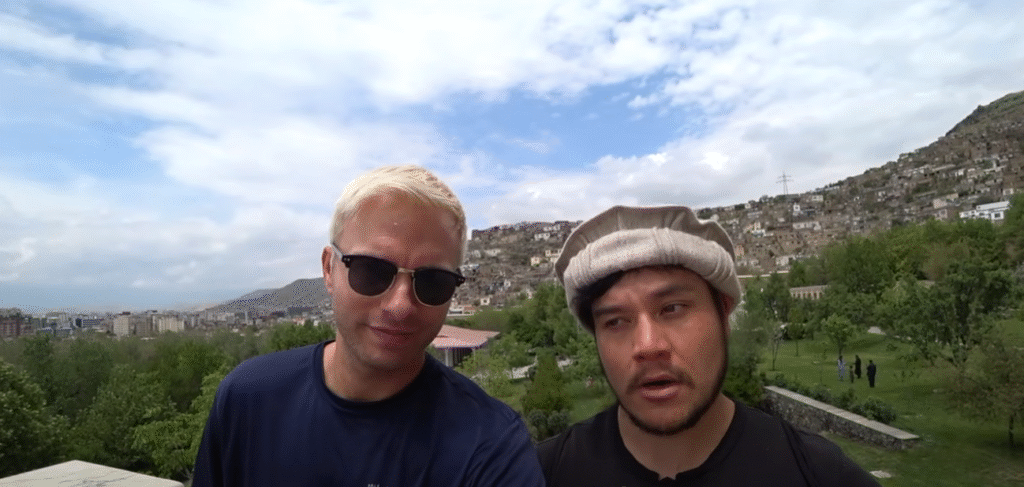
The Taliban has shown interest in promoting tourism as a means to boost the economy and gain international legitimacy. They have licensed over 500 tourism companies in a year and are actively encouraging foreign visitors. However, this initiative raises questions about the regime’s intentions and the safety of travelers.
Safety Concerns for Tourists
Despite the growing number of tourists, Afghanistan remains a high-risk destination. Incidents like the attack in Bamiyan, where three Spanish tourists and three Afghans were killed, highlight the persistent dangers. Travel advisories from various governments continue to warn against visiting the country due to threats of terrorism and kidnapping.
Impact on Afghan Women


The portrayal of Afghanistan as a tourist-friendly destination often overlooks the plight of Afghan women. Under Taliban rule, women face severe restrictions on education, employment, and freedom of movement. Influencer content rarely addresses these issues, leading to accusations of whitewashing the regime’s oppressive policies.
The Debate: Cultural Exchange vs. Propaganda
Proponents of tourism argue that it fosters cultural exchange and provides economic benefits to local communities. However, detractors contend that it inadvertently supports the Taliban’s propaganda efforts by presenting a sanitized version of life in Afghanistan. The debate continues over whether tourism under such a regime is ethical or exploitative.
Conclusion
The intersection of tourism and influencer culture in Afghanistan presents a complex narrative. While showcasing the country’s beauty and resilience, it’s crucial to acknowledge and address the underlying human rights issues. Travelers and content creators bear the responsibility of presenting a balanced and informed perspective.