

Living with chronic pain can feel like an isolating, uphill battle. It affects everything—your work, your relationships, your mental health, and your ability to simply enjoy life. For decades, the primary response has been a prescription pad. But a growing number of people are asking: “Is there another way?”
The answer is a resounding yes.
The world of pain science is undergoing a revolutionary shift. We’re moving beyond merely masking symptoms with medication and toward understanding the root causes of pain, especially how our brains process it. This has opened the door to a powerful and empowering array of drug-free pain management strategies that put you back in the driver’s seat of your health.
This guide will walk you through the science, the strategies, and the groundbreaking new technologies that are offering hope and tangible relief to millions.

Image Prompt: A serene, hopeful image of a person’s silhouette at sunrise, stretching gently on a hill overlooking a peaceful valley. The light is warm and optimistic.
Image Description: A person finding peace and hope at sunrise, symbolizing a new beginning with drug-free pain management.
Why Is Everyone Talking About Drug-Free Pain Management?
The shift away from a “pill for every ill” mentality isn’t just a trend; it’s a necessary evolution in healthcare. While medications have their place, relying on them exclusively for chronic pain comes with significant challenges:
-
Side Effects: From drowsiness and brain fog to digestive issues, pain medications can impact your quality of life.
-
Tolerance and Dependence: Over time, your body may require higher doses to achieve the same effect, leading to a cycle of dependence.
-
The Opioid Crisis: The devastating consequences of over-prescribing opioid painkillers have highlighted the urgent need for safer, more sustainable alternatives.
-
Masking the Problem: Pills often act as a band-aid, silencing pain signals without addressing the underlying issue, which could be inflammation, muscle imbalance, or even learned neural pathways in the brain.
Drug-free approaches, on the other hand, aim to treat the whole person, not just the symptom. They empower you with tools to recalibrate your body and brain for long-term relief.
A Paradigm Shift: Your Brain Doesn’t Just Feel Pain—It Can Learn It
One of the most significant breakthroughs in pain science is understanding the difference between acute and chronic pain.
-
Acute Pain: This is your body’s alarm system. You touch a hot stove, and pain signals shoot to your brain, telling you to pull your hand away. It’s a direct, protective response to injury.
-
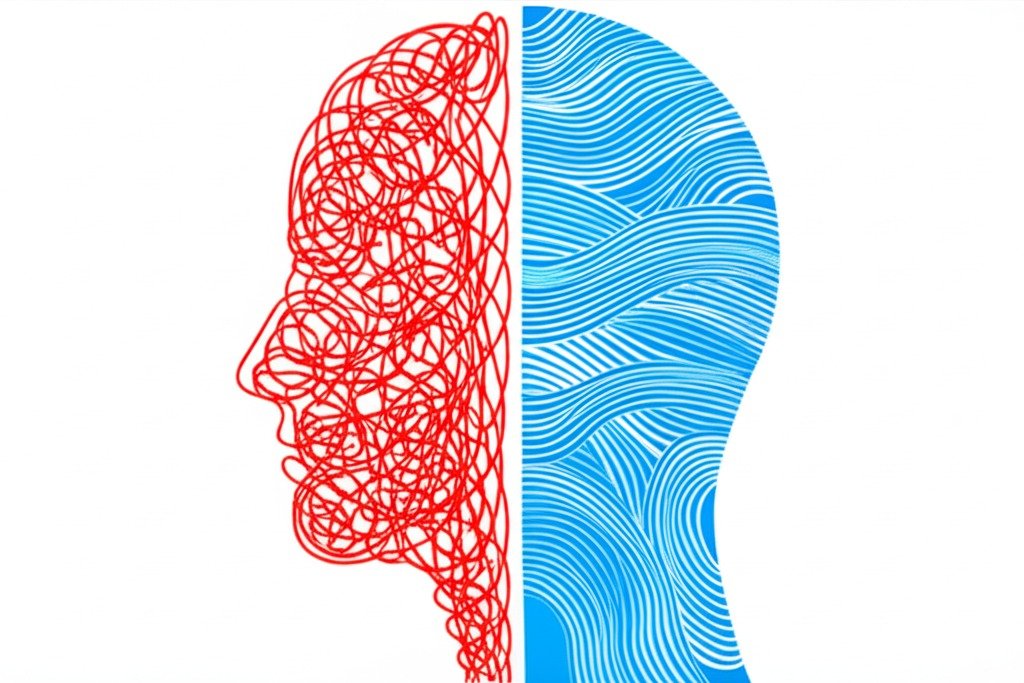
Chronic Pain: This is pain that persists for more than three months, long after the initial injury has healed. Here, the pain system can become hypersensitive. The “alarm” gets stuck in the “on” position. Your brain essentially learns the pain, creating and reinforcing neural pathways that keep firing pain signals even without a physical cause.
This is where it gets exciting. If the brain can learn pain, it can also unlearn it. This concept, known as neuroplasticity, is the foundation for some of the most innovative drug-free pain management techniques available today.
The Breakthrough: Can You “Play” Your Pain Away?
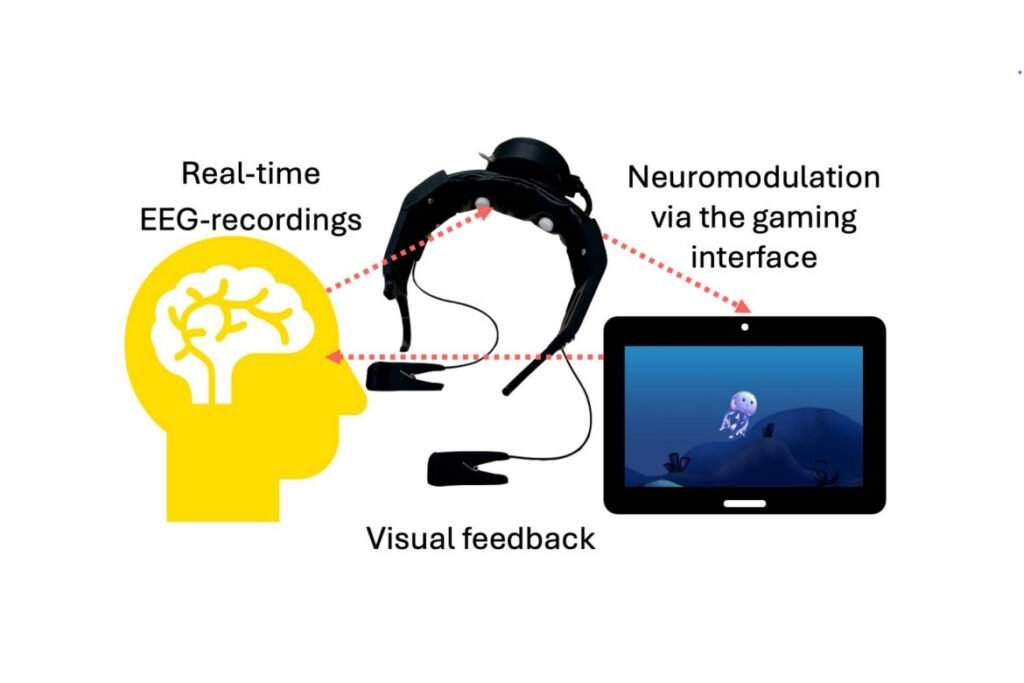
Recent headlines have been buzzing about a remarkable new development that perfectly illustrates this principle. Researchers at UNSW Sydney and Neuroscience Research Australia (NeuRA) developed a brain-training game called RESOLVE specifically for chronic pain.
The 10-minute game works by targeting two subconscious cognitive biases that fuel chronic pain:
-
Attention Bias: The tendency for your brain to automatically zoom in on and focus on pain-related information.
-
Interpretation Bias: The tendency to interpret ambiguous situations as threatening or painful.
In a clinical trial, participants with chronic low back pain who used the app for eight weeks reported a significant reduction in pain intensity and disability. This isn’t a distraction; it’s a targeted neurological workout that retrains the brain to process sensory information differently, effectively turning down the volume on chronic pain signals. This is a game-changer, proving that we can directly and effectively modify the brain’s learned pain responses without any medication.
Your Comprehensive Toolkit for Drug-Free Pain Relief
While high-tech brain training is on the horizon, a vast toolkit of proven, accessible, and powerful drug-free pain management techniques is available right now. The most effective plans often combine several approaches.
1. Mind-Body Therapies: Retraining Your Focus
These therapies leverage the powerful connection between your mental and physical states.
-
Cognitive Behavioral Therapy (CBT): A gold standard for chronic pain, CBT helps you identify and reframe negative thought patterns and behaviors associated with pain. A therapist can teach you coping skills to change your relationship with pain, reducing its emotional and physical impact. For more on this, the American Psychological Association (APA) provides excellent resources on how CBT is used for pain management.
-
Mindfulness and Meditation: Instead of fighting pain, mindfulness teaches you to observe it without judgment. This practice can reduce the stress and anxiety that amplify pain signals, leading to profound relief over time. Apps like Headspace or Calm have guided meditations specifically for pain.
-
Yoga and Tai Chi: These gentle, flowing practices combine movement, breathwork, and meditation. They improve flexibility, strength, and balance while calming the nervous system, making them ideal for conditions like arthritis, fibromyalgia, and back pain.
2. Physical and Manual Therapies: Restoring Your Body
These hands-on approaches target the physical mechanics of pain.
-
Physical Therapy (PT): A physical therapist can design a customized program of exercises and stretches to strengthen weak muscles, improve mobility, and correct postural imbalances that contribute to pain. This is a cornerstone of recovery for many injuries and chronic conditions.
-
Acupuncture: An ancient Chinese practice, acupuncture involves inserting thin needles into specific points on the body. It’s believed to stimulate the release of endorphins (your body’s natural painkillers) and regulate the nervous system. The National Center for Complementary and Integrative Health (NCCIH) has extensively researched its effectiveness for various pain conditions, including back pain and headaches.
-
Massage Therapy: More than just a luxury, therapeutic massage can relieve muscle tension, improve circulation, and reduce stress hormones. Different techniques, like deep tissue or myofascial release, can target specific sources of pain.
3. Lifestyle and Home Remedies: Building a Foundation of Health
Your daily habits have an enormous impact on pain levels.
-
Strategic Exercise: While it may seem counterintuitive, movement is often the best medicine. Low-impact activities like swimming, walking, or cycling increase blood flow, reduce stiffness, and release endorphins. The key is to start slow and find what feels good for your body.
-
Anti-Inflammatory Diet: Chronic inflammation is a key driver of chronic pain. Reducing processed foods, sugar, and unhealthy fats while increasing your intake of fruits, vegetables, lean proteins, and healthy fats (like those in fish and olive oil) can significantly lower systemic inflammation.
-
Heat and Cold Therapy: Simple, yet effective. Cold packs can reduce inflammation and numb acute pain, while heat pads can relax tight muscles and soothe chronic aches.
-
Sleep Hygiene: Pain disrupts sleep, and poor sleep worsens pain. Creating a consistent sleep schedule, ensuring your bedroom is dark and cool, and avoiding screens before bed can help break this vicious cycle.

How to Build Your Drug-Free Pain Management Plan
Embarking on this path can feel overwhelming, but it doesn’t have to be.
-
Consult a Professional: Always start by talking to your doctor or a pain specialist. They can provide an accurate diagnosis and help you safely integrate new therapies, ensuring they don’t conflict with your current care.
-
Start Small: You don’t have to do everything at once. Pick one or two strategies that resonate with you. Maybe it’s a 10-minute walk each day or trying a guided meditation app.
-
Be Patient and Persistent: Natural pain relief is not an instant fix. It’s a process of building new skills and habits. Track your progress in a journal to see what’s working over weeks and months.
-
Listen to Your Body: The golden rule. Some days you’ll have more energy than others. Learn to distinguish between the “good” pain of a healing stretch and the “bad” pain that signals you should stop.
The Future of Pain Management is You
The era of passive patienthood is ending. Groundbreaking research, like the brain-training game from UNSW, proves that you have more control over your pain experience than you ever thought possible.
By combining modern science with time-tested therapies, you can build a robust, personalized, and effective drug-free pain management plan. It’s a journey of rediscovering your body’s own incredible capacity for healing and reclaiming a life defined not by its limitations, but by its possibilities.
Frequently Asked Questions (FAQ)
Q1: Can drug-free pain management work for severe chronic pain?
A: Yes. For many, a multi-modal drug-free plan can significantly reduce even severe pain. It often works best when integrated into a comprehensive care plan from a doctor, which may or may not include medication. The goal is to increase function and quality of life while reducing reliance on drugs.
Q2: How long does it take to see results with these methods?
A: It varies greatly. Some people feel immediate relief from something like a massage or heat therapy. For therapies that involve retraining the brain and body, like CBT or physical therapy, it can take several weeks to months to notice a substantial and lasting change. Consistency is key.
Q3: Is it safe to combine drug-free methods with my current pain medication?
A: In most cases, yes, and it’s often the recommended approach. However, it is absolutely crucial to discuss this with your doctor. They can ensure the methods are safe for your specific condition and help you create a plan to potentially and gradually reduce medication if that is your goal. Never stop or change a prescribed medication without medical supervision.