In 2025, the tension between journalists and state authorities has intensified, marking a pivotal moment in the ongoing struggle for press freedom. Recent actions by the U.S. government, particularly under the Trump administration, have raised concerns about the erosion of journalistic independence and the potential consequences for democratic societies worldwide.
The Dismantling of Voice of America
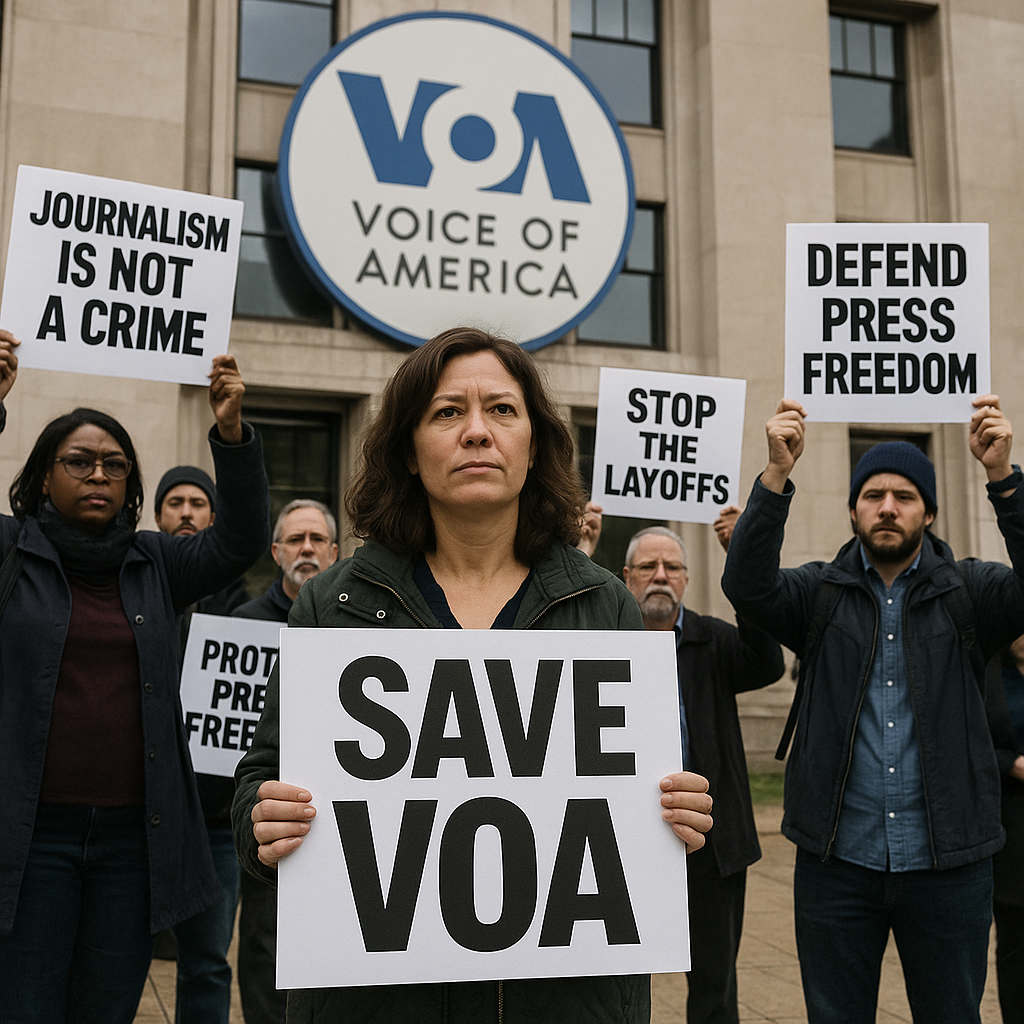
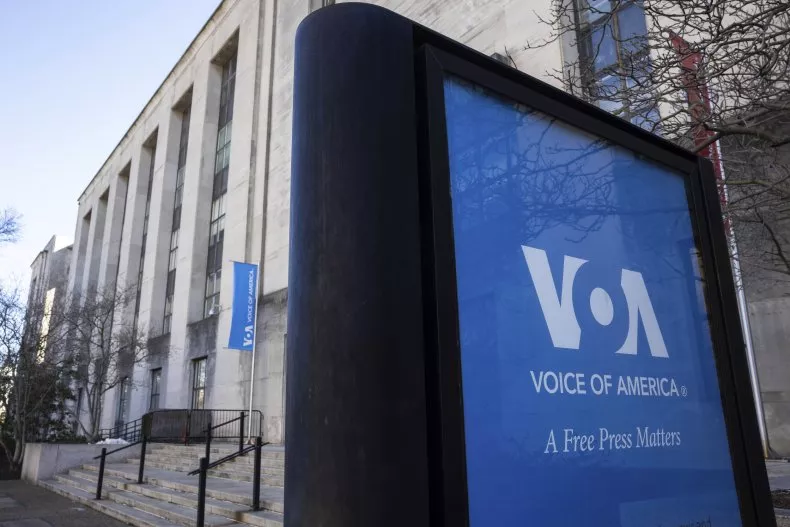
Voice of America (VOA), a U.S.-funded international broadcaster established during World War II to counter Nazi propaganda, has become a focal point in this conflict. In March 2025, President Trump issued an executive order aiming to dismantle the U.S. Agency for Global Media (USAGM), which oversees VOA, Radio Free Asia, and other outlets. This move led to the termination of over 500 contractors and placed approximately 1,300 full-time employees on indefinite leave.
The administration’s justification centered on reducing federal spending and eliminating what it perceived as biased reporting. However, critics argue that this action undermines the independence of the press and sets a dangerous precedent for government interference in journalism.
Legal Battles and Journalistic Resistance
In response to the executive order, six VOA journalists, including White House Bureau Chief Patsy Widakuswara and Press Freedom Editor Jessica Jerreat, filed a lawsuit against the Trump administration and USAGM senior adviser Kari Lake. The plaintiffs contend that the dismantling of VOA violates the First Amendment and exceeds the executive branch’s authority, as only Congress has the power to defund such agencies.
The lawsuit seeks the reinstatement of more than 900 full-time employees and 550 contractors, emphasizing the critical role of independent journalism in a democratic society.
International Repercussions
The shutdown of VOA has not gone unnoticed on the global stage. Chinese state media outlets have lauded the decision, viewing it as a weakening of U.S. soft power and a reduction in critical coverage of authoritarian regimes.
This reaction underscores the broader implications of the U.S. government’s actions, potentially emboldening other nations to suppress press freedoms and diminish the role of independent journalism.
The NPR Lawsuit: A Parallel Struggle
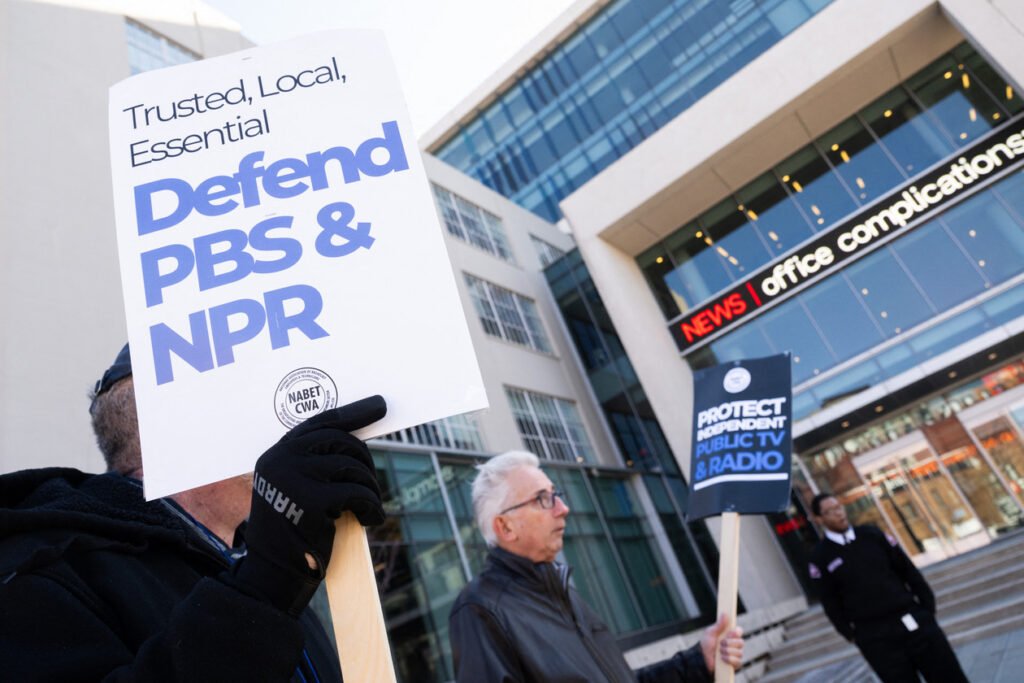
Simultaneously, National Public Radio (NPR) and three Colorado public radio stations filed a federal lawsuit challenging an executive order that seeks to eliminate federal funding for public media entities like NPR and PBS. The lawsuit argues that the order violates the First Amendment and undermines the editorial independence protected under the Public Broadcasting Act.
This legal action represents a broader resistance against governmental attempts to control or defund media organizations that provide critical coverage of state actions.
The Role of Kari Lake
Kari Lake, a former Emmy-winning journalist turned political figure, has played a significant role in the restructuring of USAGM. As a senior adviser, she has overseen the downsizing of VOA and other media outlets, citing her journalism background as a qualification for the role.
Critics argue that her actions undermine U.S. soft power and media freedom abroad, particularly in regions where VOA and similar outlets serve as vital sources of independent news.
Implications for Press Freedom
The recent developments involving VOA and NPR highlight a concerning trend of governmental interference in media operations. Such actions threaten the foundational principles of free speech and press freedom, potentially leading to a chilling effect on journalistic endeavors.
The legal challenges mounted by journalists and media organizations serve as critical defenses against these encroachments, emphasizing the importance of maintaining an independent press as a cornerstone of democracy.
The ongoing conflict between journalists and state authorities in the United States serves as a stark reminder of the fragile nature of press freedom. As legal battles continue and international reactions unfold, the outcome of these events will have lasting implications for the role of independent journalism in holding power to account.