


Ukraine Wreaks Havoc on Putin’s Air Force: Inside Operation Spider Web
In a bold and unprecedented move, Ukraine has launched a massive drone offensive deep into Russian territory, targeting and devastating key airbases housing strategic bombers. Dubbed Operation Spider Web, this meticulously planned assault marks a significant escalation in the ongoing conflict, showcasing Ukraine’s growing capabilities and resolve.
The Operation Unveiled
On June 1, 2025, Ukrainian forces executed a coordinated drone attack on five major Russian airbases: Belaya, Dyagilevo, Ivanovo Severny, Olenya, and Ukrainka. Utilizing 117 drones concealed within trucks, these unmanned aerial vehicles (UAVs) were launched from within Russian territory, catching the Russian military off-guard.
The operation resulted in the destruction or damage of over 40 Russian military aircraft, including the advanced Tu-95, Tu-22M3, and A-50 models. This strike is considered the largest drone attack on Russian airbases to date, inflicting an estimated $7 billion in damages.
Strategic Significance
The targeted aircraft were integral to Russia’s long-range strike capabilities, often used in operations against Ukrainian cities. By crippling these assets, Ukraine has not only dealt a substantial blow to Russia’s military prowess but also demonstrated its ability to conduct deep strikes with precision
This operation underscores a shift in modern warfare, where low-cost, AI-enabled drones can effectively neutralize high-value targets, challenging traditional military doctrines.
Tactical Execution
The success of Operation Spider Web hinged on innovative tactics and meticulous planning. Ukrainian forces ingeniously smuggled drones over 4,000 kilometers into Russian territory by concealing them in trucks disguised as mobile wooden houses. These drones were then launched remotely, targeting aircraft fuel tanks and other critical components.
Notably, some Russian aircraft were observed covered with tires—a rudimentary attempt to shield them from drone attacks, which proved ineffective against Ukraine’s sophisticated assault.
Political Ramifications
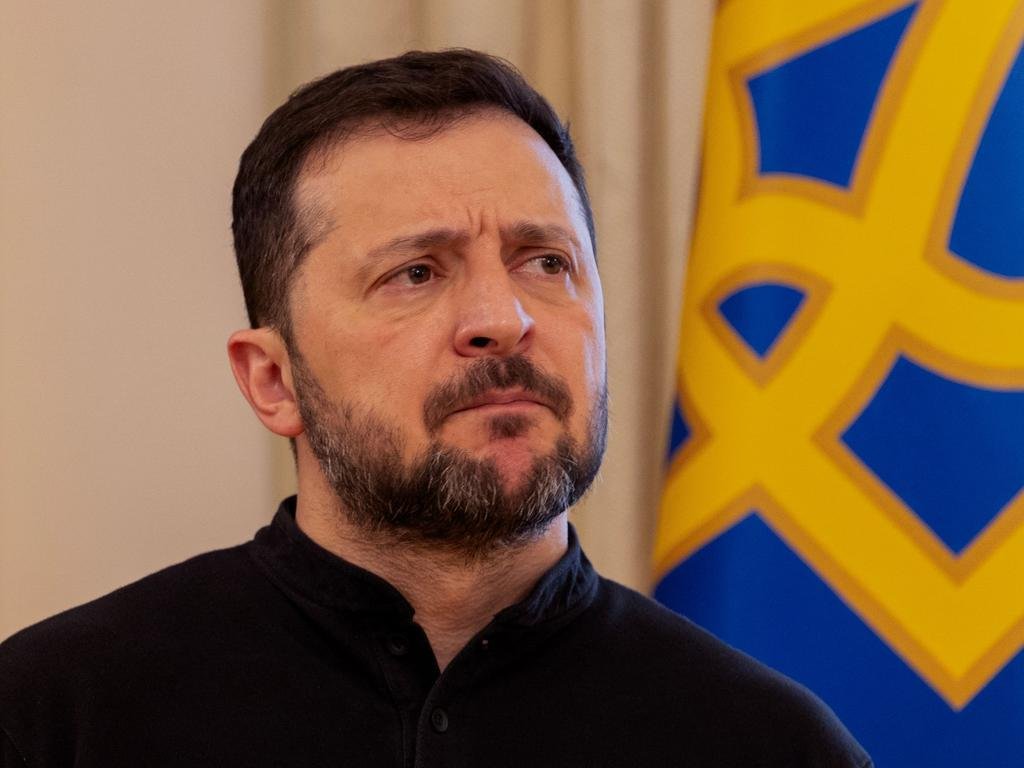
The timing of the strike is particularly significant, occurring just before scheduled peace talks in Istanbul. While Ukraine has expressed a commitment to dialogue, this operation sends a clear message of strength and determination. President Volodymyr Zelenskyy, who personally oversaw the mission, emphasized Ukraine’s readiness to defend its sovereignty and respond decisively to aggression.
Global Reactions
International observers have lauded Ukraine’s strategic ingenuity, viewing Operation Spider Web as a testament to the evolving nature of warfare. The operation has sparked discussions on the efficacy of drone warfare and its implications for global military strategies.
Conversely, Russia has acknowledged the attacks but downplayed their impact, labeling them as acts of terrorism. The Russian Ministry of Defense has vowed retaliation, further escalating tensions in the region.
Operation Spider Web represents a pivotal moment in the Ukraine-Russia conflict, highlighting Ukraine’s resilience and adaptability. By leveraging technology and innovative tactics, Ukraine has not only inflicted substantial damage on Russia’s air capabilities but also redefined the parameters of modern warfare.
As the international community watches closely, the long-term implications of this operation remain to be seen. However, one thing is clear: Ukraine’s strategic acumen and determination continue to challenge and reshape the dynamics of this protracted conflict.