
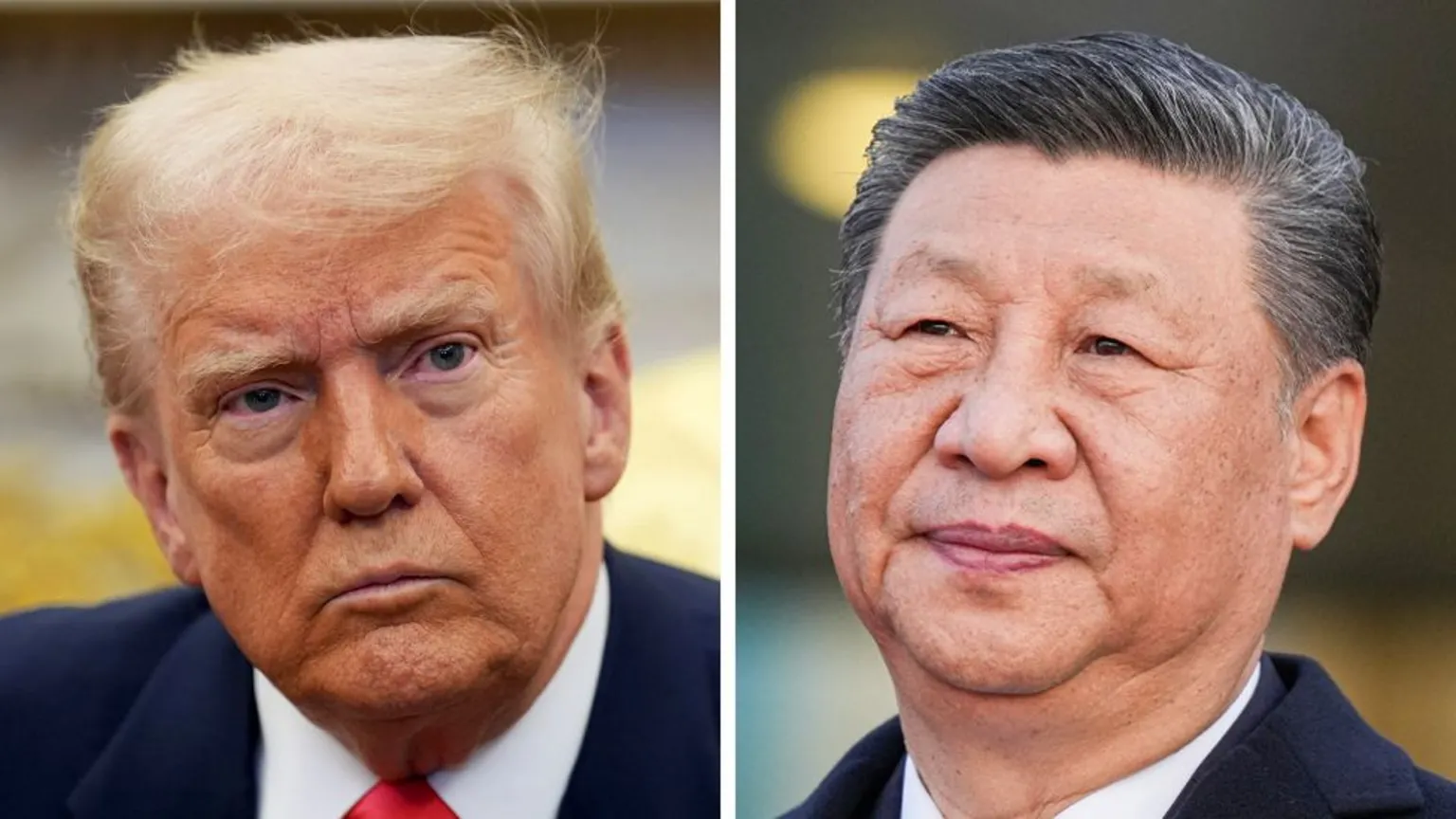
The US China tariffs war has returned to center stage in 2025, with a fresh round of tensions disrupting global markets and fueling fears of a prolonged economic standoff. After several years of fragile cooperation, both nations are now locked in a renewed trade conflict, and the ripple effects are being felt from Wall Street to factory floors around the world.
As new tariffs are imposed and negotiations stall, consumers, investors, and business leaders are scrambling to assess the impact and prepare for an uncertain future.
🔁 A Quick Recap: The Origins of the US China Tariffs War
The US China tariffs war first erupted in 2018 when the Trump administration launched tariffs on Chinese goods to address trade imbalances, forced technology transfers, and alleged IP theft. China retaliated, setting off a tit-for-tat escalation that disrupted global supply chains. Although a limited “Phase One” deal was signed in 2020, many core disputes remained unresolved.
While the conflict cooled in subsequent years, simmering tensions over technology, human rights, and national security never fully disappeared.
⚠️ 2025 Flashpoint: What Sparked the New Escalation?
In early 2025, the Trump administration introduced a new wave of tariffs targeting Chinese imports in key industries—particularly electric vehicles (EVs), green tech, and semiconductors. These measures, framed as efforts to protect national security and reduce dependency on Chinese supply chains, marked a sharp turn in trade policy.
In response, China slapped retaliatory tariffs on U.S. agricultural exports, high-end electronics, and rare earth materials—key inputs for American manufacturers. The US China tariffs war has now entered a new phase, with both sides hardening their positions and global trade stability hanging in the balance.
🚫 Talks Stall: No Progress on Negotiations
Hopes for a diplomatic resolution suffered a blow this week when U.S. Treasury Secretary Janet Yellen confirmed that trade talks with China have stalled.
“We are not currently engaged in active trade negotiations,” Yellen said during a press briefing. “We remain open to dialogue, but progress requires a clear commitment from China to address long-standing structural issues.”
This admission underscores the grim reality: there is currently no clear path to de-escalation. The lack of progress suggests that the US China tariffs war could drag on for months—if not years—affecting everything from corporate earnings to consumer prices.
📊 New Tariffs at a Glance
Here’s a snapshot of the key 2025 tariff actions:
-
U.S. Tariffs: Up to 100% on Chinese electric vehicles, 50% on lithium batteries, 25% on solar panels and AI-related components.
-
China’s Response: Tariffs on American soybeans, beef, semiconductors, and industrial machinery.
These tariffs are not only economically significant—they’re strategically targeted to inflict pain on politically sensitive sectors in both countries.
📉 Market Reactions: Volatility Returns
The global markets were quick to react to the latest twists in the US China tariffs war:
-
Stock Markets: U.S. indices fell sharply following the announcement of stalled talks, with the Nasdaq down over 3% in a single day due to tech sector exposure.
-
Currency Volatility: The Chinese yuan has weakened, while the U.S. dollar strengthened on safe-haven demand.
-
Commodities: Agricultural futures dipped amid concerns over reduced exports to China, while prices for rare earths and industrial metals surged.
Investors are pricing in higher input costs, reduced earnings forecasts, and growing uncertainty around global supply chains.
🛒 What This Means for Consumers and Businesses
For consumers, the US China tariffs war translates to higher prices on imported goods—especially electronics, cars, and renewable energy products. The inflationary impact could strain household budgets at a time when interest rates remain elevated.
For businesses, particularly manufacturers and exporters, the effects are even more immediate:
-
Supply chain disruptions are forcing companies to rethink sourcing strategies.
-
Rising input costs are compressing margins.
-
Exporters, especially U.S. farmers and tech firms, face reduced demand and retaliatory barriers in China.
Some companies are accelerating efforts to “de-risk” their operations by shifting production to countries like Vietnam, Mexico, or India.
🔮 What’s Next?
With trade talks stalled and both governments digging in, analysts warn that the US China tariffs war is likely to intensify before it improves. Upcoming elections in both countries may further politicize the dispute, limiting the room for compromise in the short term.
Meanwhile, the WTO’s role has diminished, as both countries prioritize national interest over multilateral frameworks.
However, many experts believe that long-term pressure from markets, businesses, and consumers could eventually push both sides back to the negotiating table.
✅ Final Thoughts
The US China tariffs war in 2025 is more than just a bilateral dispute—it’s a reflection of deeper economic decoupling and global power shifts. With negotiations on hold, the world must brace for continued instability in trade flows, supply chains, and investment strategies.
Whether you’re a consumer, investor, or business leader, staying informed and agile is essential as this high-stakes standoff evolves.